

- (Japanese: トラ・トラ・トラ!)
- Directed by Richard Fleischer, Toshio Masuda, Kinji Fukasaku, and Akira Kurosawa (uncredited)
- September 23, 1970 (US) / September 25, 1970 (Japan)
- Based on Tora! Tora! Tora! by Gordon W. Prange and The Broken Seal by Ladislas Farago
The story of the Japanese attack on Pearl Harbor and the mistakes that aided in its effectiveness.
One of the things that can be most appreciated about Tora! Tora! Tora! is that it is a film not carried by spectacle but by the talent of the cast. Martin Balsam, Joseph Cotten, E.G. Marshall, James Whitmore, Wesley Addy, and Jason Robards as well as So Yamamura, Tatsuya Mihashi, and Takahiro Tamura. Talent from both sides of the ocean that are there to serve the material. Aside from Cotten, I do not think they were anything beyond character actors of one type or another though I admit I lack strong familiarity with the Japanese actors.
Despite the talent though it is a bit dry. It’s clear from the first two or so opening moments that those behind the film set out to portray an accurate depiction of what happened from the successes to the failures. They left nothing out. Or at least tried not to leave anything out. It is almost a documentary approach that could have benefitted from minimal dramatization but not sensationalization.
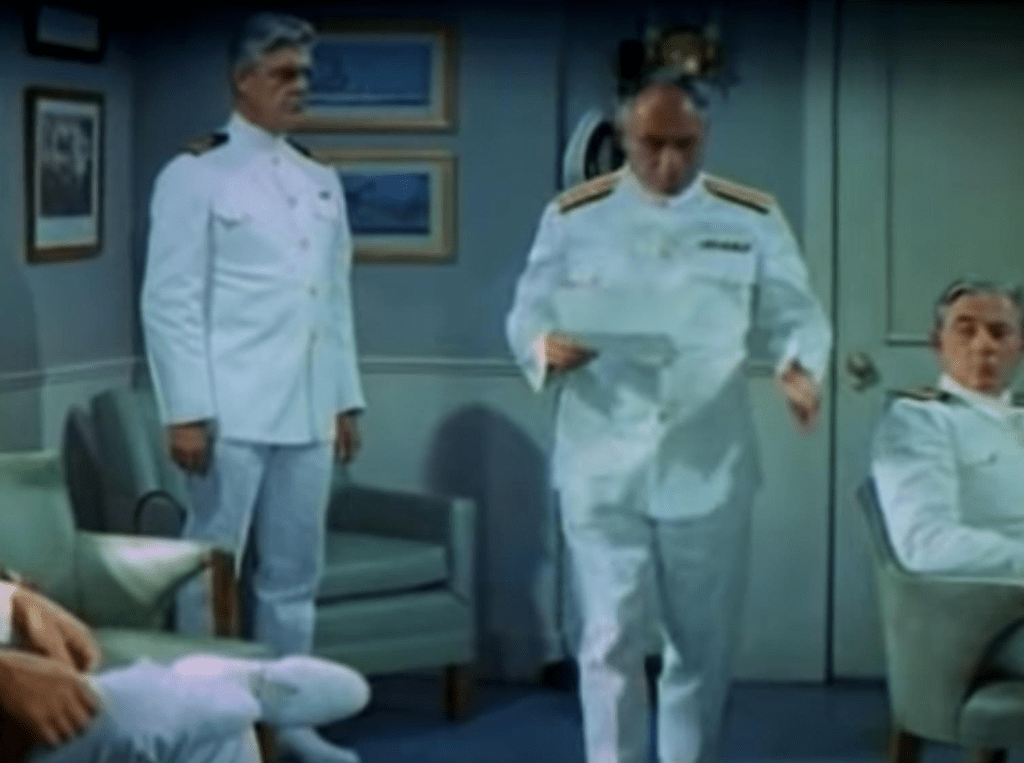
They show the internal politics of the Japanese military as well as just petty squabbling and at points ineptitude of the American military. What is strongly implied here is that if the American military just made one or two smarter decisions rather than act foolishly things could’ve turned out very different on December 7, 1945. Major General Walter Short’s (Jason Robards) decision to cluster the planes-a real event-is especially shocking.
Viewers get a good insight into all the significant players involved as well as a nice look into the mind of the average soldier. They make clear the Japanese benefited from a distinct peacetime mentality on the part of the United States. Nobody in the government was looking for or expecting anything. They proceeded as if everything was going to be okay when the world was at a point where it would not be.
The script does not condense much but rather only shows what is needed to tell the story. Tora! Tora! Tora! creates a feeling with the viewer that you are watching events as they unfold rather than watching a dramatic presentation of events. There is a level of authenticity and realism as you watch these people become deeper and deeper involved in events well outside of their control.

While fantastically acted and excellently directed I found the combat sequences a bit slow like they are ticking off boxes. Then again I am used to battle scenes that are much more frenetic. A short seven years later Star Wars would do much more involved combat (I know it is in space but you get my point) with effects capabilities slightly better than what was available to the people here. While there were some miniatures and such used in the combat there were also plenty of functioning aircraft remaining from the era on display. Combining stuff you can break with stuff you need to handle with kid gloves may explain the issue. Does not excuse it but explains it.
It’s not here to impress and make you go “Wow!” The point of the story is to inform the audience rather than dramatize. By focusing on narrative rather than star power you learn a little. You empathize with the characters and the situation. And as with any dramatic presentation, especially one that’s over 50 years old, take this as a steppingstone to learn more.
At just under two and a half hours this is not something you decide on a whim to watch. This requires you to set aside time to watch not just because of its length but because something is always going on in the narrative. There is no fluff here. We see the disparate elements compound each other to lead to that terrible day.
Tora! Tora! Tora! is a classic of World War II movies. It’s engaging but not exciting. I don’t think those that are interested in spectacle will enjoy this but if you want a more informative than most drama this is for you.
 Warren Watched A Movie