
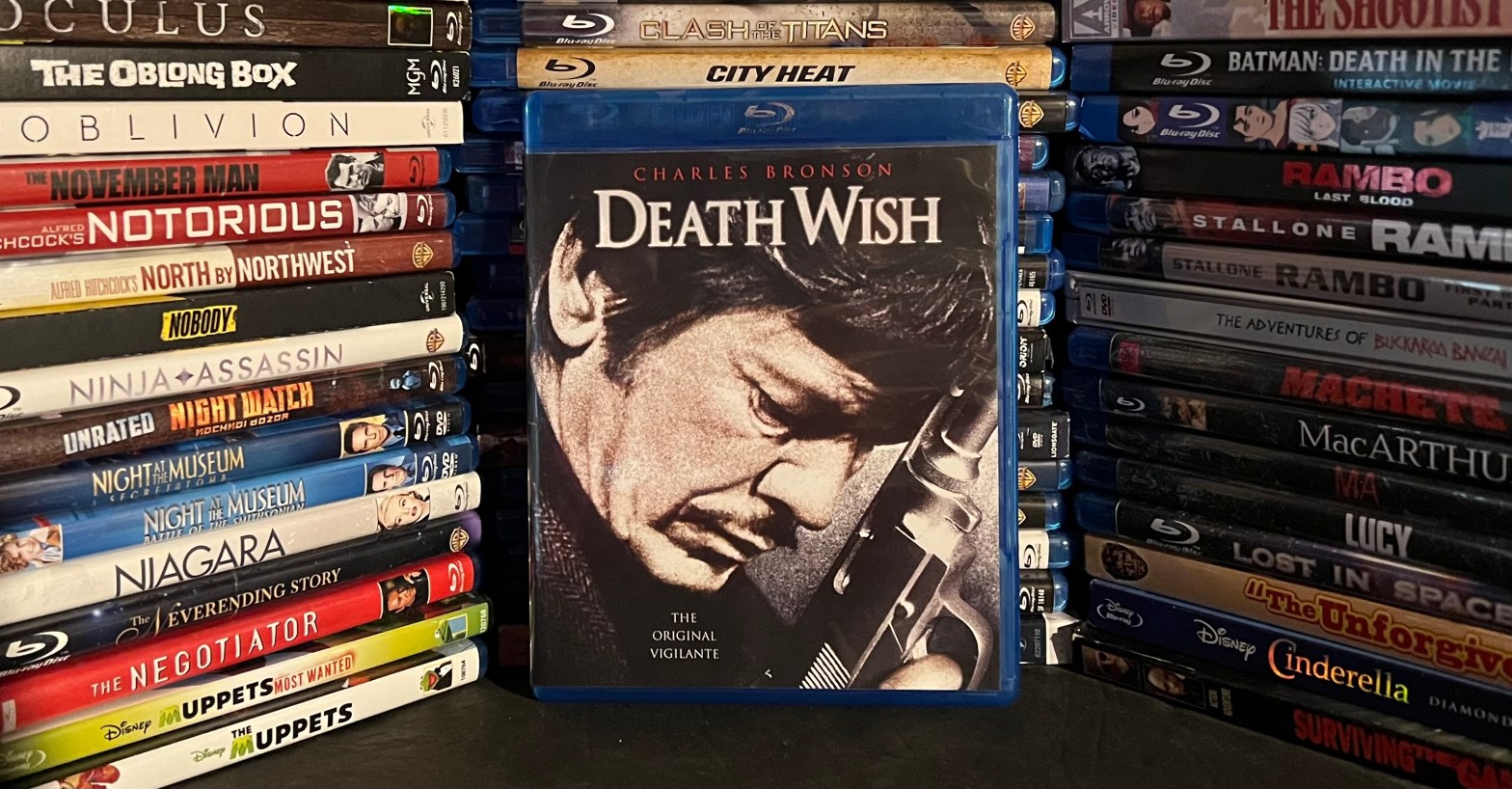
- Directed by Michael Winner
- July 24, 1974
- Loosely based on the 1972 novel Death Wish by Brian Garfield
An architect becomes a vigilante after his wife is murdered and daughter raped during a home invasion.
Death Wish is a ham-fisted commentary on the rising crime rates of the 70s in the city and wish fulfillment on the part of the average citizen. It hit at the right time with the right star for it to have staying power and even bring about a remake-of sorts.
Charles Bronson plays humble and peace-loving architect Paul Kersey who was a conscientious objector that avoided guns in the Korean War by being in the medical corps. Kersey isn’t macho from the start though he does have that usual Bronson swagger. What’s interesting is Bronson communicates that Kersey is out there moving about the streets he doesn’t know what he’s going to do. Then when Kersey finally does it, he’s more than a bit shocked at himself to the point he throws up once he gets home. I’m not sure if Bronson’s later characters ever had such a reaction to violence.

Kersey is the citizen who feels helpless. Kersey is the citizen that has resigned themselves to simply coping with the situation rather than confronting it. He can ignore it because it has never happened to him. It is over there. When he can no longer look away and the system is useless he strikes back rather randomly.
While the book reportedly did its best to be against vigilantism, Death Wish definitely takes a stance in support of it to perhaps even unlimited punishment for criminals. Kersey blows away anybody and everybody that he comes across though none are connected to the crime that took the life of his wife and traumatized his daughter.
And that is the main complaint I have heard about this movie: Paul Kersey never goes after the criminals that attacked his family. He just takes on random individuals on the streets. This movie isn’t about him getting revenge on those that harmed those he loves. It’s about the feelings of the time. It’s wish fulfillment for the audience and maybe even the filmmakers behind this.

On a personal bit I was really weirded by Paul’s son-in-law Jack (Steven Keats) calling Paul ‘Dad.’ Maybe it’s a sign of when this came out, but there’s no indication their relationship is particularly close or conversely particularly distant. Why not call him Mr. Kersey? It’s just really odd.
Though not called by name when it occurs Death Wish touches on profiling most notably during a party scene. As the camera follows Paul through the crowd there’s a conversation caught on it where a gentleman says to a lady something like “Do you ever notice he only kills black muggers” to which she responds with a line about increasing racial equality with more white muggers.
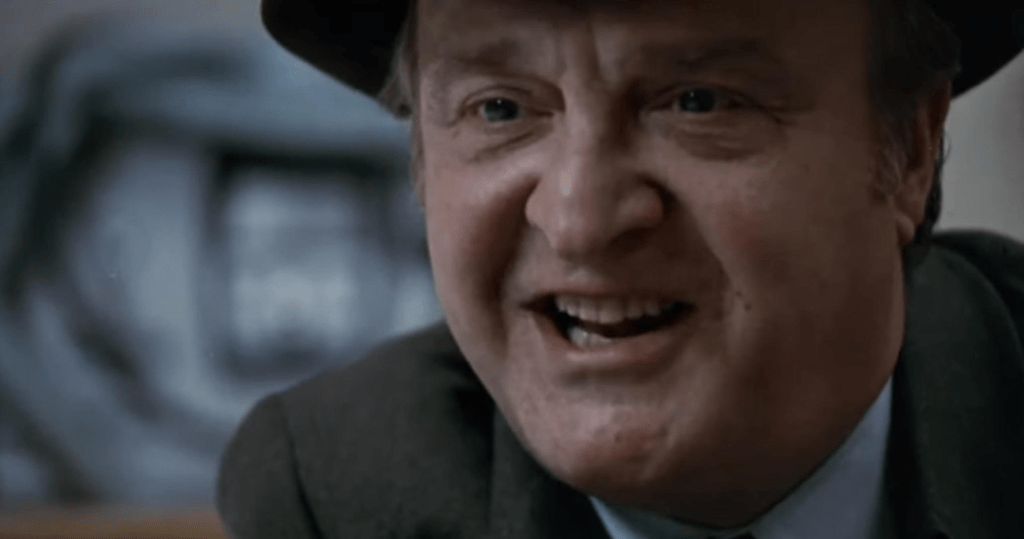
Despite being a killing machine Paul is atrocious at covering his tracks. Then again at 90 minutes there just isn’t the time to make it hard to get to the final confrontation. And being the times that they were police officer characters would bust into apartments/homes in movies to investigate. But the real sin is that the cop in question Inspector Frank Ochoa (Vincent Gardenia) is chomping away on a cigar while in Paul’s apartment. Any bit of ash or the scent of smoke would probably alert Paul Kersey-especially since there’s no evidence that Paul is a smoker!
You get a bit of a hint on how this movie will end when he heads to Arizona for his paying job and visits the fake Western town. Much like the cliché of the bad guy like in old Westerns, you run the bad guy out of town and everything is better. Basically what happens here though Paul Kersey is not necessarily the bad guy of this. The closing shot certainly implies that Kersey just has left town to do it elsewhere having skated because of political interests.
Death Wish deserves its classic status. It’s a commentary on the times in which it was released and just a film that holds up well to this day. For Bronson fans, I highly recommend it.
 Warren Watched A Movie
2 thoughts on “The Original Death Wish”