

- Directed by George Stevens
- August 15, 1935
- Based on the 1921 novel Alice Adams by Booth Tarkington
A young woman from a poor family tries to come off as upper class while concealing her poverty in an effort to wed a wealthy man.
Alice Adams is a drama about an overly tragic family. We have a sick dad who is the head of a poverty stricken clan, a hard-working homemaking mother who tries to keep everything in the household running, a brother who is really focused on himself, and the young titular Alice Adams (Katharine Hepburn) whose free and hopeful spirit is crushed because of the abject poverty that prevents her from buying new clothes to wear to lure in an eligible wealthy young man for marriage. I do not believe the stunning 28-year-old Hepburn would have trouble getting a man regardless of her financial status. Anywho…
If you have ever watched old Warner Bros. cartoons or just any of the funnier older animated shorts that once preceded feature films you’ve seen how this type of film has been parodied in one way or another. I guess it was a bit of a trend back in the day. I am vaguely recalling Bugs Bunny throwing shade at this type of story.
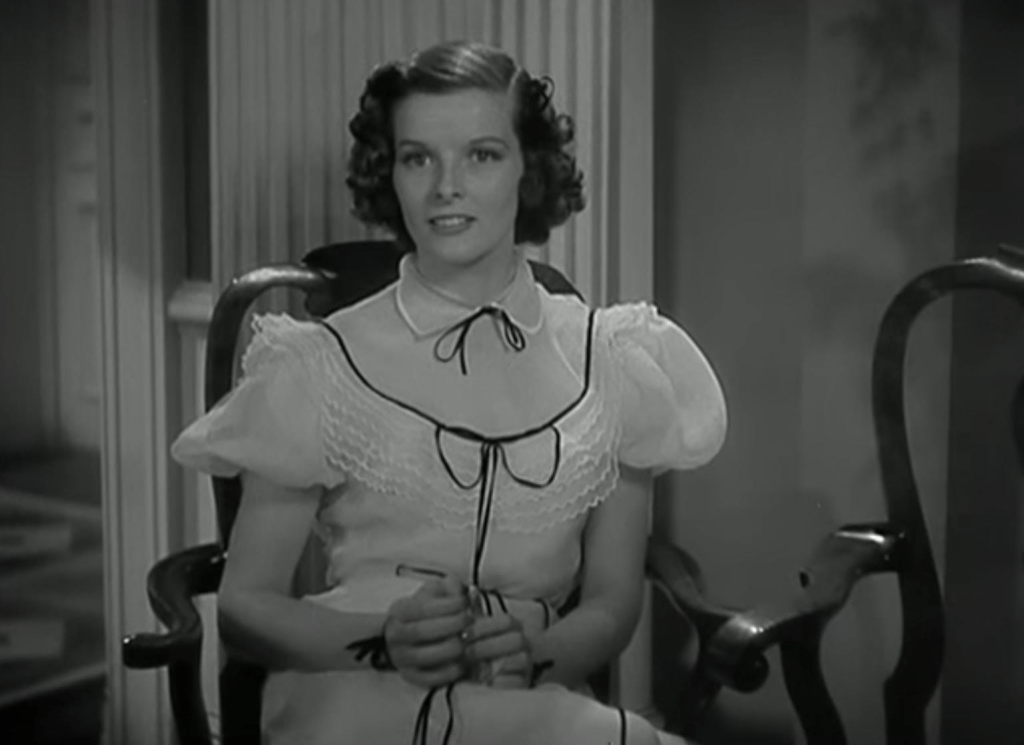
What really helps this is a relatively early film performance by the legendary Katherine Hepburn. She was a talented actress and absolutely stunning in her youth. Her performance is not quite as polished as she was in later years, but the talent is most certainly there. Her skill helps you get past the superficial nature of the character that appears to have been instilled by the character’s mother.
Alice is fun and flirtatious and has dreams. There’s something hopeful about the character. Alice tries to pretend to everyone that she is far richer than she actually is. There is every indication those she pretends to see quite through it. The movie really breezes through that. They clearly reject her but she does not seem to get that. This came out during the Depression so perhaps the push by the mother (Ann Shoemaker) which rubbed off on Alice was more acceptable.
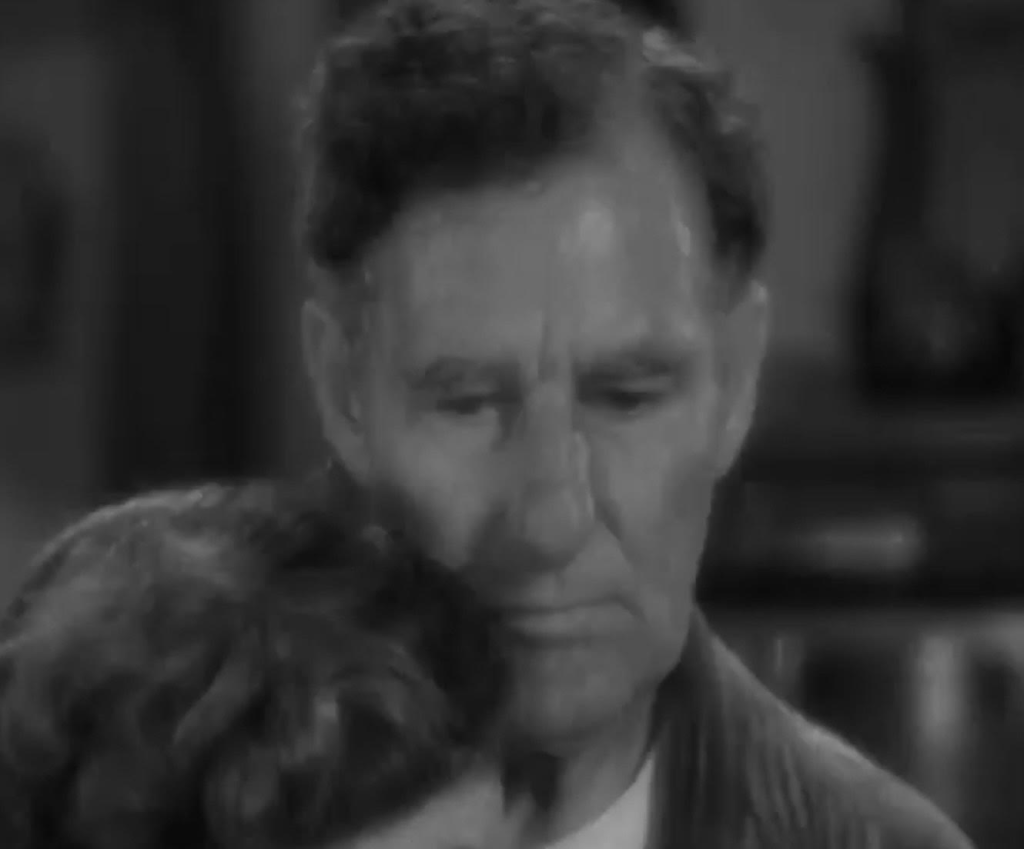
Her father Virgil (Fred Stone) works for a drug company of some undetermined type but is laid up at the start of the story with a serious case of movie illness. It is revealed by his pushy and occasionally overbearing wife that he has a glue formula that’s better than any glue out there and he hasn’t done anything with it because doing so it would be like stealing from his employer since he and his now deceased partner worked on it while they both worked for the drug company. Huh? PLOT POINT! Why not approach the boss for a partnership then?
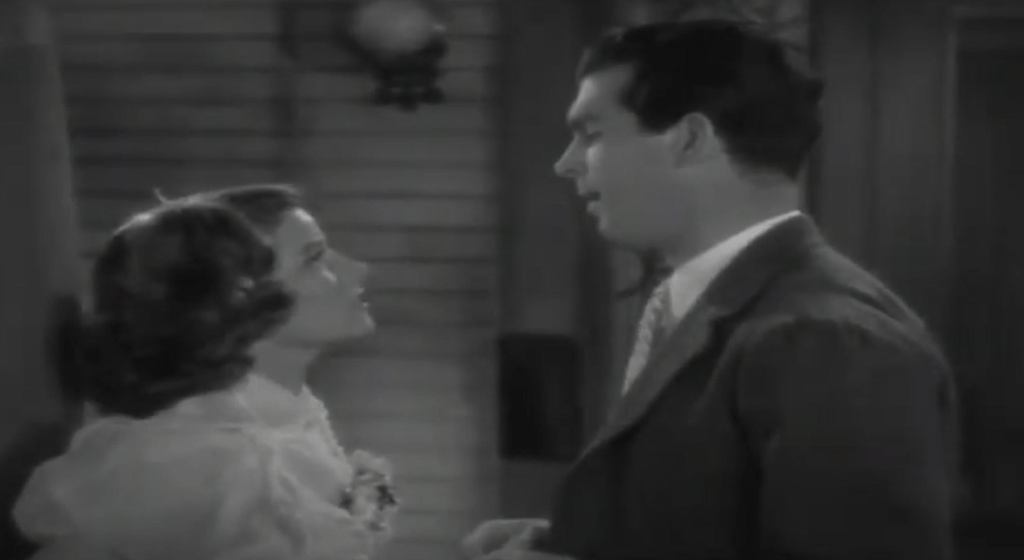
Fred MacMurray as Arthur Russell is the love interest of Alice Adams. This too is a relatively early film role for him and he’s not nearly as dynamic as he was in such things as My Three Sons or even Double Indemnity but the talent is there and it helps you get over the occasional roughness of this initial performance
MacMurray’s turn at the end really demonstrates his talent. Alice has a family dinner that she’s a little pressured into by her mother where she realizes that she just can’t keep up the illusion of being higher class with her poverty becoming apparent. She pushes away Arthur and thinks him gone forever. She later finds him waiting on the porch and he really does love her even if she is poorer than poor. I guess that’s the one redemptive moment for the character when she realizes that her pretending was completely unnecessary with his man who loves her for who she is.
One thing that is never cleared up is if Arthur is actually dating a girl he’s rumored to be dating and possibly engaged too. It seems like he passes into the mentioned girl’s life every now and then but I don’t know if there’s ever been a romantic relationship between the two characters. There are a few moments when Alice tries to get some information about it but he dodges the question. Was he ultimately some kind of cad who found redemption? That might’ve been a little clearer back in the day, but now it’s not.
Maybe it’s a reflection of the times, but there’s a moment early in Alice Adams when Alice is dancing with her brother Walter (Frank Albertson) at a big local dance. During this he has a brief exchange with an African-American band director. Importantly he’s much friendlier and more accepting of the band director than Alice is. Admittedly the band director is the African-American stereotype of the era but Alice unintentionally (or maybe even intentionally) comes off as clearly racist. Then again the word ‘colored’ to describe African-Americans gets tossed around rather casually in the dialogue of Alice Adams. Was he meant to be bad with his friends of a different race indicating that?
My major problem with all this is that Alice Adams is superficial and materialistic. She’s worried about putting on an image to her wealthy friends who don’t even seem to really like her yet through narrative and Hepburn’s performance she’s mostly framed as a sweet young woman. Name a sweet young man or woman whose focus is on material elements that is a good person?
Despite my issues with some of the things present (and those issues come down to modern day) it’s not too bad of a story. It could’ve used a little work here and there but between Hepburn and MacMurray’s acting the material is elevated to something of quality. Both have a genuine connection and real chemistry when they are performing off one another.
Alice Adams is not a bad movie, but I think given the era in which it was done it made a few mistakes. It’s entertaining with good performances but go in prepared for some stuff that just wouldn’t be allowed today.

 Warren Watched A Movie