
- Directed by Peter Medak
- July 17, 1981
The son of the legendary Zorro takes up his father’s mantle but when an injury sidelines him must pass duties to his twin brother.
I was very young at the time, but it seemed like in the late 70s and early 80s George Hamilton was riding an extreme career high appearing to be everywhere for a little while. Though we didn’t see it in theaters, when this came on television I remember Zorro, The Gay Blade being a bit of a big deal in my house. It got popcorn! But I digress…
There is always some movie that is said “You can’t make that today!” Left out of the discussion is this little Cult gem. On paper this is a bit of comedic camp that is a sendup of the swashbuckling adventure with twin brothers one of whom is gay and dresses in costumes of varying colors when he must become the titular hero. I don’t think this could get out of the starting gate today, but I think the final product with its generally silly nature is not necessarily unacceptable to the modern audience.
As a film it was a box office flop. Some of that can certainly be attributed to any descriptions of the film authored but I think largely its failure has more to do with nobody caring then. Zorro is a character with certain connotations then and now in the public mind. Any film about him needs to come at the right time and this unlike those starring Antonio Banderas did not.
The Gay Blade borders on surreal while never taking itself too seriously. This is a well-produced film with excellent costuming and sets along with fantastic fight scenes on par with the classic films it draws inspiration from. The script often plays itself straight by deriving humor from the absurdity of a costumed hero in 1800s Mexico dispatching justice. There are gentle to significant pokes at the character and the adventure genre but none that are mocking.
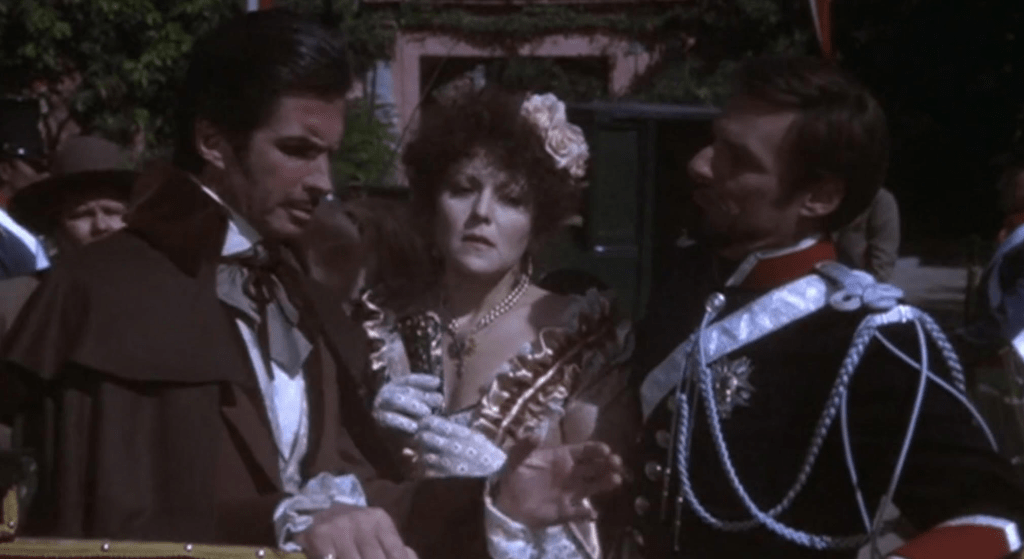
Present is a lot of subtitle sexual humor along with the obvious kind. Florinda (Brenda Vaccaro), wife of the movie’s villain Captain Esteban (Ron Leibman), is undersexed and completely uninterested in her husband. When Zorro unsheathes his sword in one scene she won’t hold the scabbard for her husband, but is gladly willing to hold the scabbard for others.
I think some of the jokes go over the viewer’s head. Not because of sophistication but because you blink-and-miss them. It does allow the story to be considered almost family-friendly even if it should not be. It certainly saves it from being anything more than slapstick or jabs at this-‘n-that.
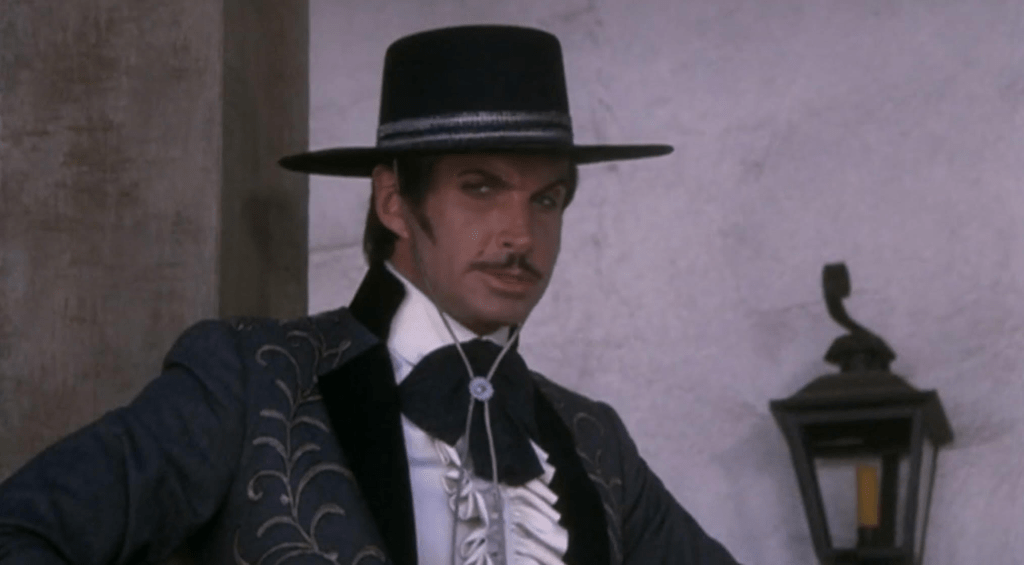
George Hamilton pulls double duty in this. Not only is he the film’s first Zorro Don Diego de la Vega but portrays Diego’s twin Ramón now going by the name of Bunny Wigglesworth after having spent time in the British navy at their late father’s behest to become more manly and fills in while Diego’s injured leg heals. Hamilton plays his Bunny Wigglesworth very flamboyant and over the top. If anything, it mocks general stereotypes and even gets a bit of a joke in on perceptions of the Navy.
George Hamilton demonstrated amazing comedic timing. With a look or just a reaction and the right delivery of a line he could turn something rather innocuous into something funny. He was a very good comedic actor, though no snooze when it came to drama either. Unfortunately he was became stuck as the good looking comedian when I’m a movie or TV show needed one which is very limiting in a career.
Done before CGI was used, Zorro, The Gay Blade used a mixture of body doubles, multiple shots, and very smoother split screen in the moments the pair are together by necessity. This uses those techniques much more effectively than many other movies of the time did. It is more dynamic and cinematic than the easily done static shot of spliced film.
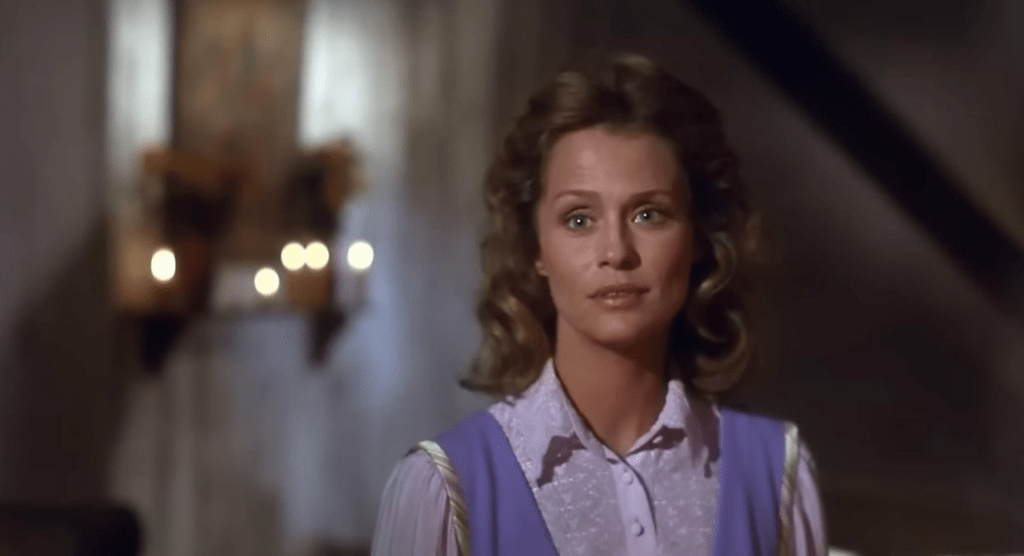
Lauren Hutton as Charlotte Taylor-Wilson is the American love interest of for Diego. She is the pure soul working in Mexico to make a better life for the poor and downtrodden. Hutton plays it pretty much straight and doesn’t get into any of the more noticeable humor. If anything, Charlotte and Florinda should have been somehow merged. It would have added a little more of a personal clash. Neither actress had enough to do. Both actresses are good but underused given their backstory or reasons for being in the situation.
Diego’s mute servant Paco (Donovan Scott) would’ve been a nice addition if Diego had been Zorro throughout the movie or Paco just played sidekick to Bunny, but neither was the case. I liked what I saw but it felt unnecessary.
Part of the humor is derived from nobody realizing that the first Zorro is not the same as any of the others. This is a bit explained by Bunny having been gone for many years but neither Florinda nor Captain Esteban figure out what is going on despite knowing Diego since his youth. You cannot forgive that type of plot hole in any comedy.
It works as a parody of the swashbuckler genre and of some social elements of the day. Most of the jokes still land and I’m surprised a few that I thought were low hanging fruit were never touched. Not that this is a sophisticated comedy but not one easy shot? Not ONE joke involving Bunny that played on the word “seamen”?
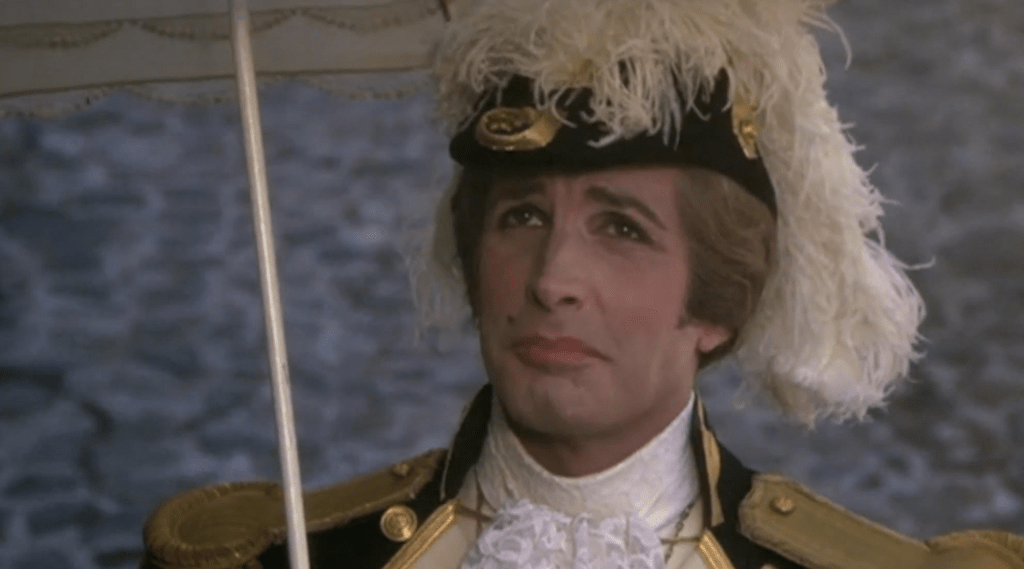
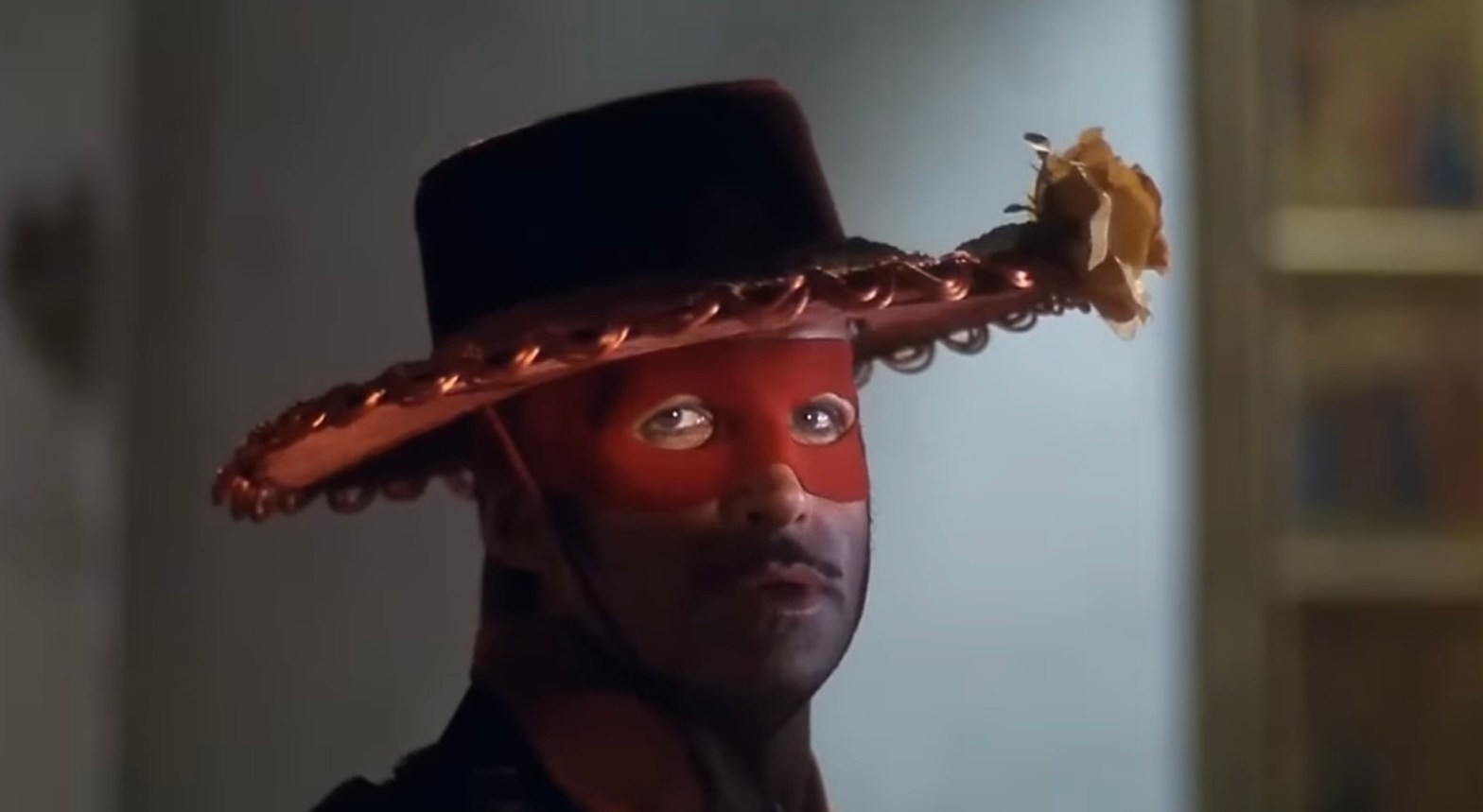
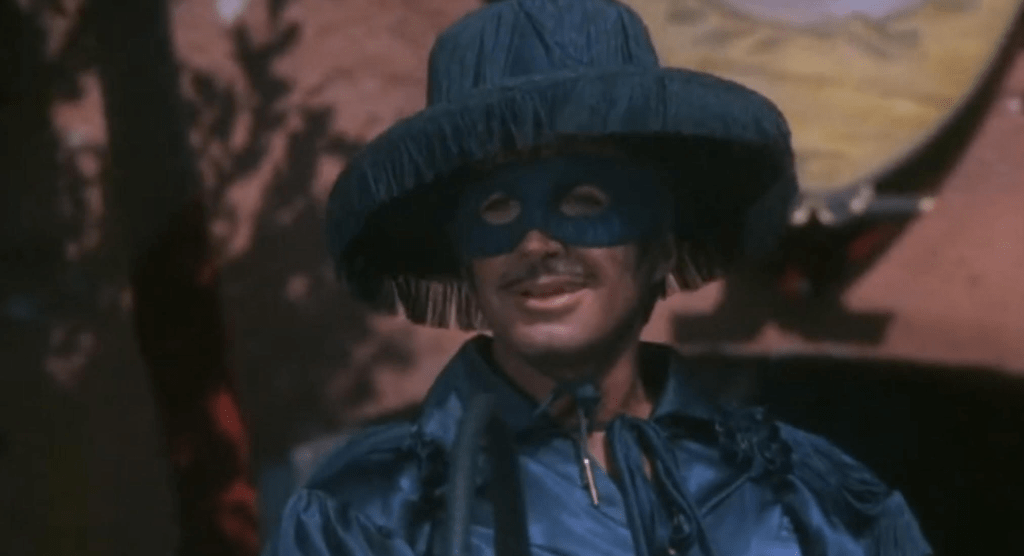
There are a few running gags such as the shouting of Captain Esteban, the near insatiable horniness of his wife Florinda, and the unique colors of every Zorro costume by Bunny that Esteban presumes to be some kind of message. Not one of those colors repeats. They are definitely disco inspired.
I found Zorro, the Gay Blade still funny after all these years. Most of the humor still lands, and George Hamilton is absolutely perfect in the two leads. A very hilarious throwback.
 Warren Watched A Movie