
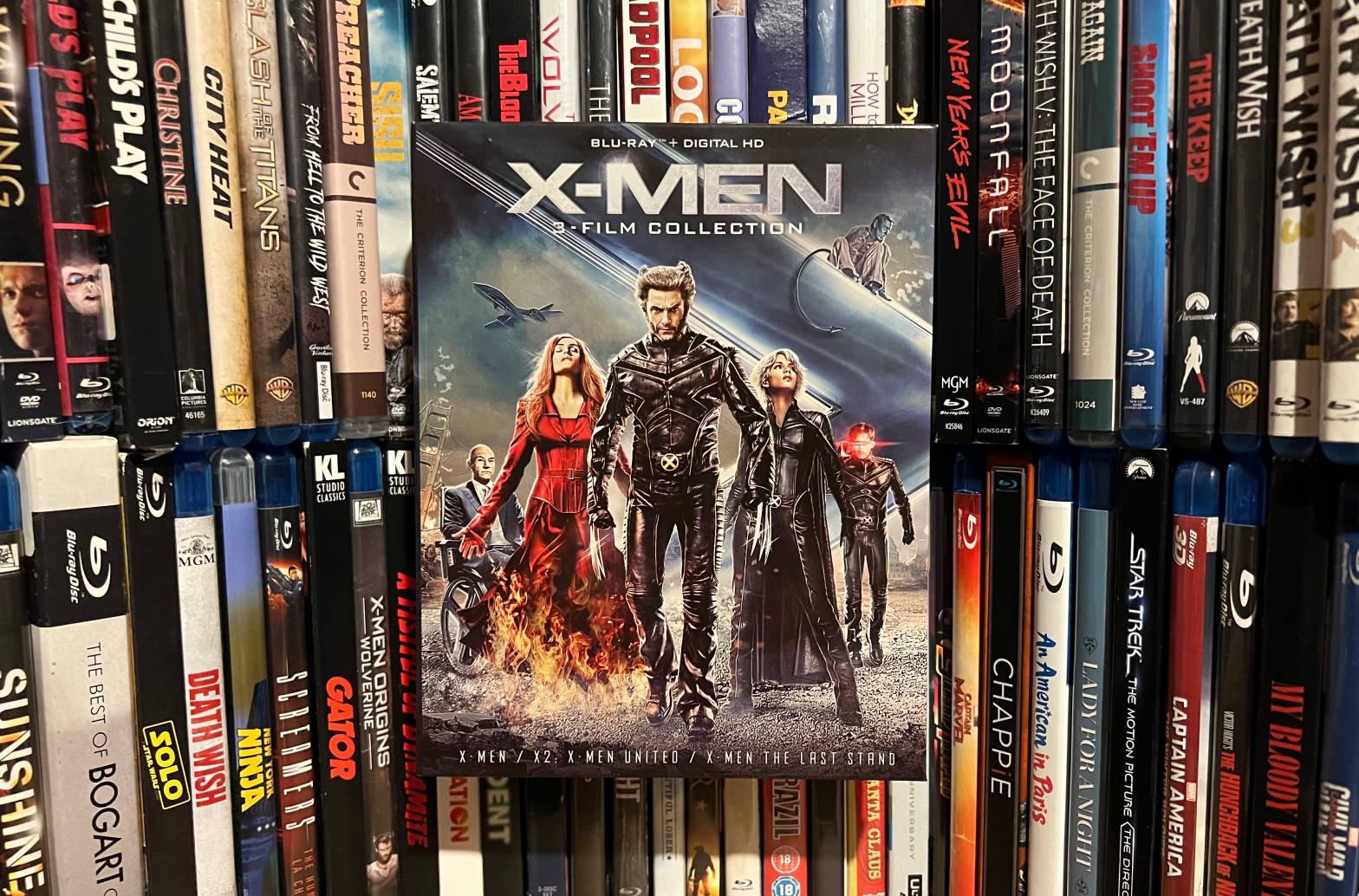
- Directed by Bryan Singer
- July 12, 2000 (Ellis Island) / July 14, 2000 (US)
- Based on X-Men created by Stan Lee and Jack Kirby
A madman attempting to bring about acceptance for his kind plans on mutating world leaders gathering for a conference at Ellis Island.
X-Men is the superhero team-up movie that walked so the Avengers films could run. This showed the world you could do not only a superhero team movie but a serious one. Powers aside, this takes the characters and stakes seriously by limiting humor and the consequences having lasting implications for those involved and their world.
This was done decades ago before modern computer graphics made superhero movies much easier to do. Back in those days, consciously or not, films needed to focus on story over visuals. They could occasionally impress the audience with a cool scene but not in the way or with the frequency studios can now. That I view as a positive. It avoids hiding a weak film behind razzle-dazzle.
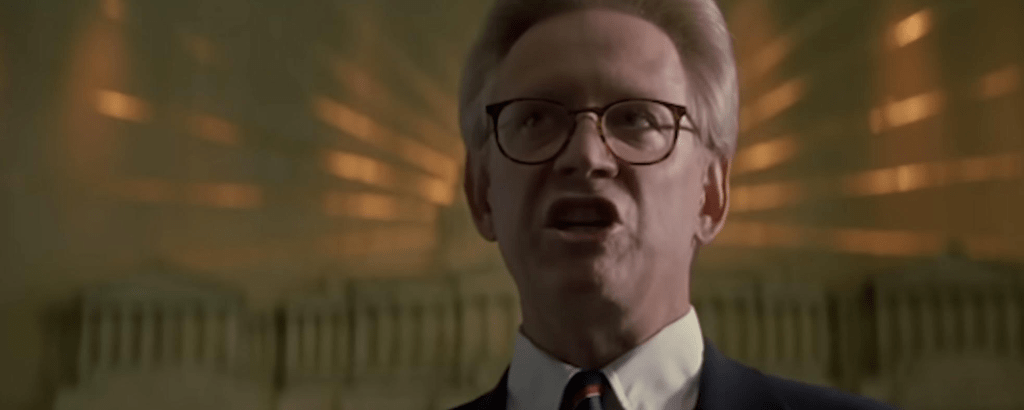
Like the best of the comics, it uses identifiable aspects in a superhero setting. The Senate hearing scene in the opening that sets up this world and presents philosophies is very understandable. It plays much like what one would hear in any such event based on the current trendy concern. Swap out mutants for any other group and you can empathize with events. Despite that X-Men is not some message movie. What can equate to what we know pulls us into the story. The similarities allow us to understand the extraordinary situation.
Viewers are shown a very lived in the world where superpowers have existed for quite some time though not so long they are treated with indifference. While not new, it is recent enough and so prevalent that it has become a political concern. These are people integrated into society. Some obviously while others can blend in which is just like the comics of the time.
It also has a very different tone and feeling from modern superhero movies. I love that. Comic books in a certain age felt different from other comic books when you read them. X-Men was different from Avengers. Wolverine and The Punisher were different from Captain America. In the homogenized and synergized interconnected film world this has largely faded with the likes of Ghost Rider going cosmic or The Punisher spending time in Valhalla conversing with Odin.
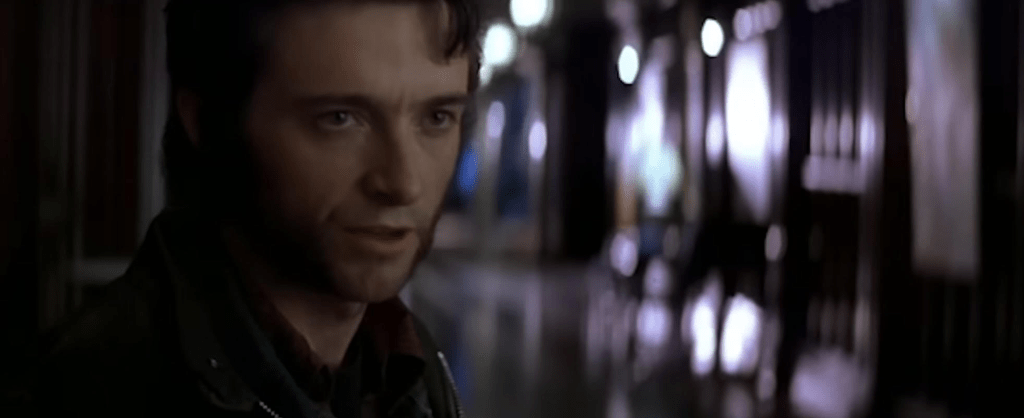
This is very nearly ideally cast film. You can quibble about an Australian playing Wolverine and him being too tall, but Hugh Jackman was perhaps the most inspired casting in this whole film. He got the character’s personality so very right in so many ways. Intelligent while brutal with his attitude and reactions spot on.
Physically Ian McKellen was not an optimal choice for Magneto. Not sure what actor of the correct age might be since Magneto is quite jacked in the comics. Based on talent you could not ask for better since he is one of the great actors of our age. His Magneto is not evil to be evil. He does what he does because he believes it is not only the right thing, but it is the only thing that should be done. His actions are informed by trauma of the past. A key aspect of Magneto’s life are his experiences in concentration camps during World War II.
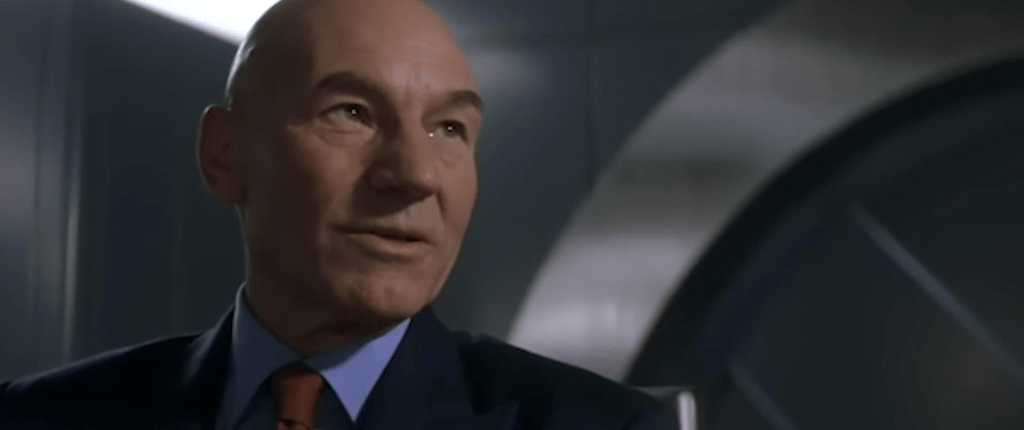
Patrick Stewart as Charles Xavier was pretty much the only performer at the time who looked like Professor X and could carry the sage teacher portion of the story. He’s a positive father figure and personifies the hope for man’s better angels to win out but also the understanding that preparations need to be taken just in case they don’t. Pragmatic yet not defeatist. Nor cruel.
Senator Robert Kelly (Bruce Davison) represents all the bigotry the X-Men face from society. He also is a target for Magneto based on his political prominence. Magneto’s plan is to mutate leaders at an upcoming event making his worries their worries. The device is first used on Kelly who eventually turns to the X-Men for help.
Rather than point or lecture him the X-Men extend compassion and aid. Jean Grey (Famke Janssen) tends to him. It’s important to point out that the response by the characters is not to rub his face in it or tell him he is getting what he deserves. I cannot see that being a response scripted today.
This is in contrast to Magneto. He doesn’t think his plan of mutating world leaders is going to kill them but make them into a group that must be sympathetic if not overly capitulating to mutants. His reaction when he finds out that the process is ultimately lethal tells you a lot more about the character than any bit of dialogue ever could. He just doesn’t care.
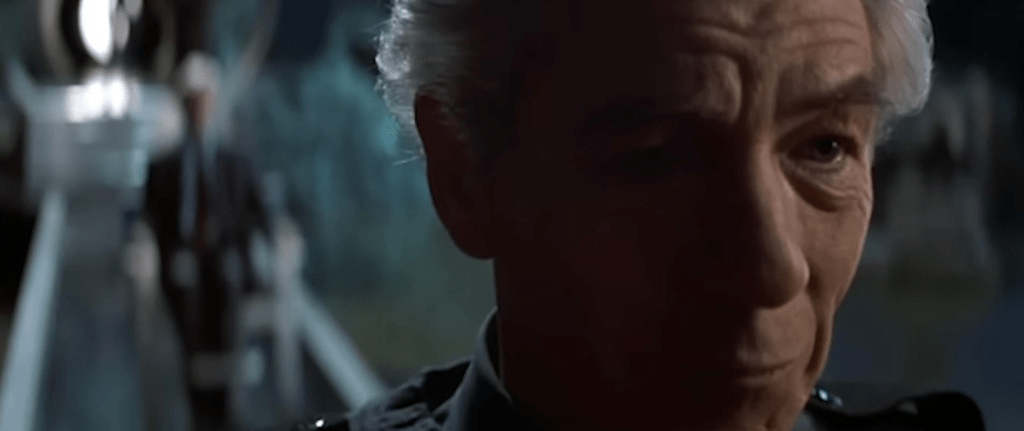
An important aspect of the comics up to the point of X-Men’s release was the dynamic between Cyclops (James Marsden) and Wolverine. They did not like each other and that is done clearly and efficiently. Mix that with the love triangle of Cyclops / Wolverine / Jean Grey and this gets that done quickly in a way that seems almost lost in modern filmmaking.
I recall this as a source of praise. Wolverine and Jean’s inexplicable attraction while she also loves Scott was true to the source. The two men butting heads from the get-go with others occasionally having to act as a referee between the two was found then. Some of their dialogue and moments were the best of the film and none of those used superpowers. Scott’s whole speech where he ended it with “stay away from my girl” was pretty good with the scene of Wolverine at the Visitor’s Center and the line that proved who he really was being a runner up.
This is a well-acted drama interspersed with cool moments instead of cool moments interspersed with some drama and quippy or self-referential dialogue. That’s not to say Brian Singer doesn’t work in jokes, but it’s not joke after joke that makes X-Men closer to a comedy than something more mature.
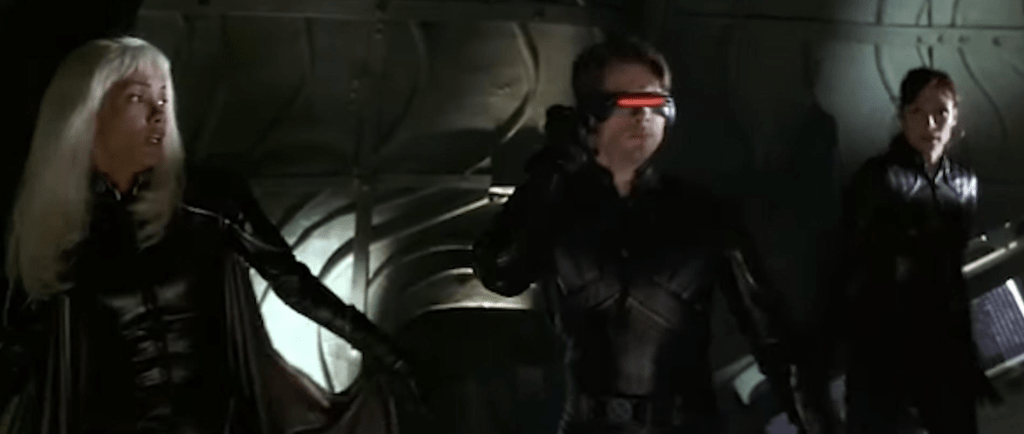
The inability to show big complex battles was admitted by the people behind this movie and has even been a complaint by some. I prefer the one-on-one power moments or uses of brute force over scenes with multiple characters. It is more like the comics with the group moments briefly coming to show they are together.
Director Bryan Singer gave us here one of the better red herrings in film history here. Given what was generally known about Wolverine and was revealed about the plot and the machine, it’s easy to assume that Wolverine is the focus of Magneto’s mechanizations. After all, we first encounter him when he and Rogue (Anna Paquin) are together. There’s every reason to believe that the physiology of Wolverine for some reason allowed the machine or plan to work better.
Another thing that tells a lot about Magneto more than any stretch of dialogue or action is that he is okay with Rogue being a sacrificial lamb for the greater good. Like any devout idealogue he tries to comfort her by telling her how much her death will help the world. He embraces the whole “break a few eggs to make an omelet” ethos all despots have.
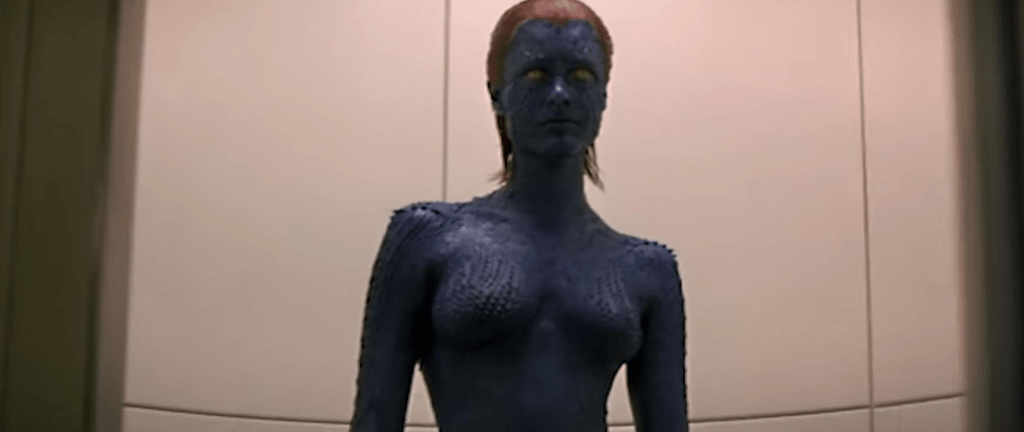
There are plenty of cool uses of powers and great little character moments. Everybody contributes something. Page to screen may not be one-to-one but this gets very close based on portrayal of the era. Departures are not so radical that in powers or in appearance they only share a name. I kind of wish they had gone with Mystique in the skull dress though.
It’s been many years since I’ve watched X-Men. It is still a great movie. Maybe not perfect but mostly because of limited money but superior to much of what is released today!

